
 Who We Are?
IIN's Overview

IIN is a ground-breaking collaboration between Development Finance Institutions (DFIs) and Development Partners (DPs) to accelerate and mobilise sustainable foreign investments to speed up growth, create jobs, and assist in the development of an equitable and sustainable economy in Nepal.
It is a result of dialogue amongst DFIs and DPs to mobilise sustainable foreign investment in Nepal. This initiative was designed to be an open-ended collaborative platform, available for all DFIs and Impact Investors and also to strengthen the enabling environment.
IIN’s Evolution
- 2021-2022: Discovery Phase
- 2022-2025: Ecosystem Reform and Implementation
- 2025-2030: Deepening Sustainable Foreign Investments & Market Transformation
 How We Work?
Our Approach

Supporting Investment Readiness
Provide bespoke technical assistance through Technical Assistance Facility.

Enhancing Regulatory Environment
Build on the reform momentum to advocate for further systemic change.

Strengthening Investment Ecosystem
Enhance the capacity of industry bodies and ecosystem partners.

Promoting Sustainable Finance
Deepen the uptake of ESG and climate finance across the financial sector.

Generating Market Intelligence
Generate market intelligence and evidence to address information gaps.

Forging Strategic Partnership
In partnership with likeminded programmes, create synergy to drive innovation.
Supporting Investment Readiness
Provide bespoke technical assistance through Technical Assistance Facility.
Enhancing Regulatory Environment
Build on the reform momentum to advocate for further systemic change.
Strengthening Investment Ecosystem
Enhance the capacity of industry bodies and ecosystem partners.
Promoting Sustainable Finance
Deepen the uptake of ESG and climate finance across the financial sector.
Generating Market Intelligence
Generate market intelligence and evidence to address information gaps.
Forging Strategic Partnership
In partnership with likeminded programmes, create synergy to drive innovation.
 Foreign Investment Overview
Sustainable Foreign Investment Landscape
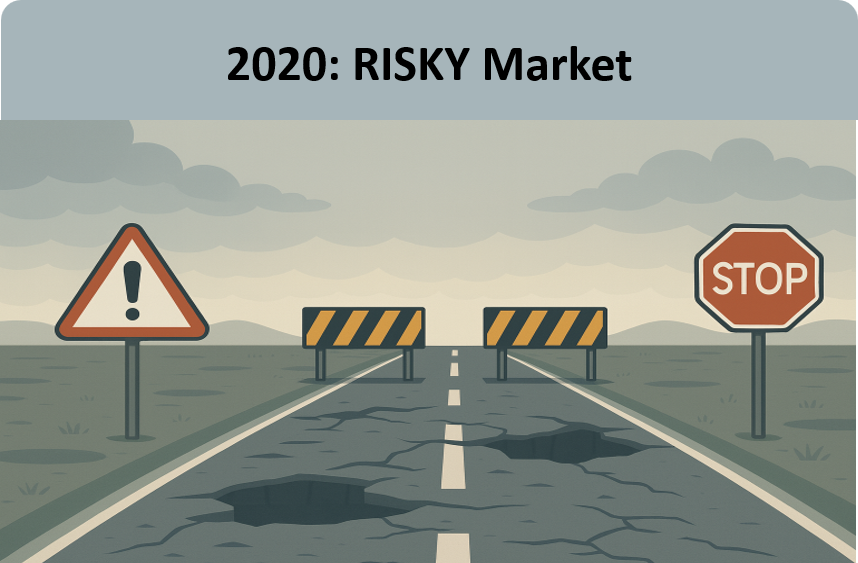
2020: RISKY Market
- Limited investor confidence and investment readiness, while ESG consideration remained a key investment gap.
- Regulatory framework constrained sustainable foreign investment, with only 2 DFIs invested at the time.
- Limited access to reliable market information.

2025: REFORMING Market
- Nepal received and maintained a ‘BB-‘ sovereign credit rating with a Stable Outlook.
- MoU signed between the Ministry of Finance (MoF) and six DFIs.
- Establishment of a dedicated Investment Coordination Desk, International Economic Relations Department (IERD) at MoF for foreign investors.
- Key reforms to foreign investment regulations, including the introduction of Foreign Investment and Foreign Loan Management Bylaws.
- Level playing field for DFIs including reduced lock-in period on investments.
- Growing adoption of ESG practices across Nepal’s banking sector and Private Equity & Venture Capital Funds.
- 30+ active investors with 14 DFIs and impact investors invested.
 Sustainable Finance Landscape
Embedding Sustainable Finance Practices

The Building Blocks (2022-2025)
- Nepal's first ESG Benchmarking Study carried out to establish a baseline for sustainable finance practices across the banking sector.
- First Climate Transition Benchmarking Study conducted to assess banks' readiness for climate finance.
- Standard ESMS Implementation Handbook developed and disseminated to support industry wide adoption of global ESRM best practices.
- Certified Course on Sustainable Finance & ESG developed and delivered with 80 banking professionals certified.
- 20 Certified ESG Master Trainers trained with 500+ bankers trained so far.
- Dedicated Sustainable Finance Department at NBA established to continue to drive industry-wide adoption.
- Community of Practice on Sustainable Finance established at NBA to promote peer learning across the industry.
- PGDM in Sustainable Business Management launch supported to build Nepal's future ESG and sustainability talent.

Scaling and Institutionalisation (2026-2030)
- Strengthen SOMTU for nationwide rollout of sustainable business and finance education (PDGM, Master’s).
- Strengthen NBA’s Sustainability Department for industry-wide capability building.
- Support institutions scale investment in climate and gender.
- Deepen ESG integration in alternative investments through NPEA.
- Expand sustainable business practices across priority real sectors.
Events and Activities